Cart
0
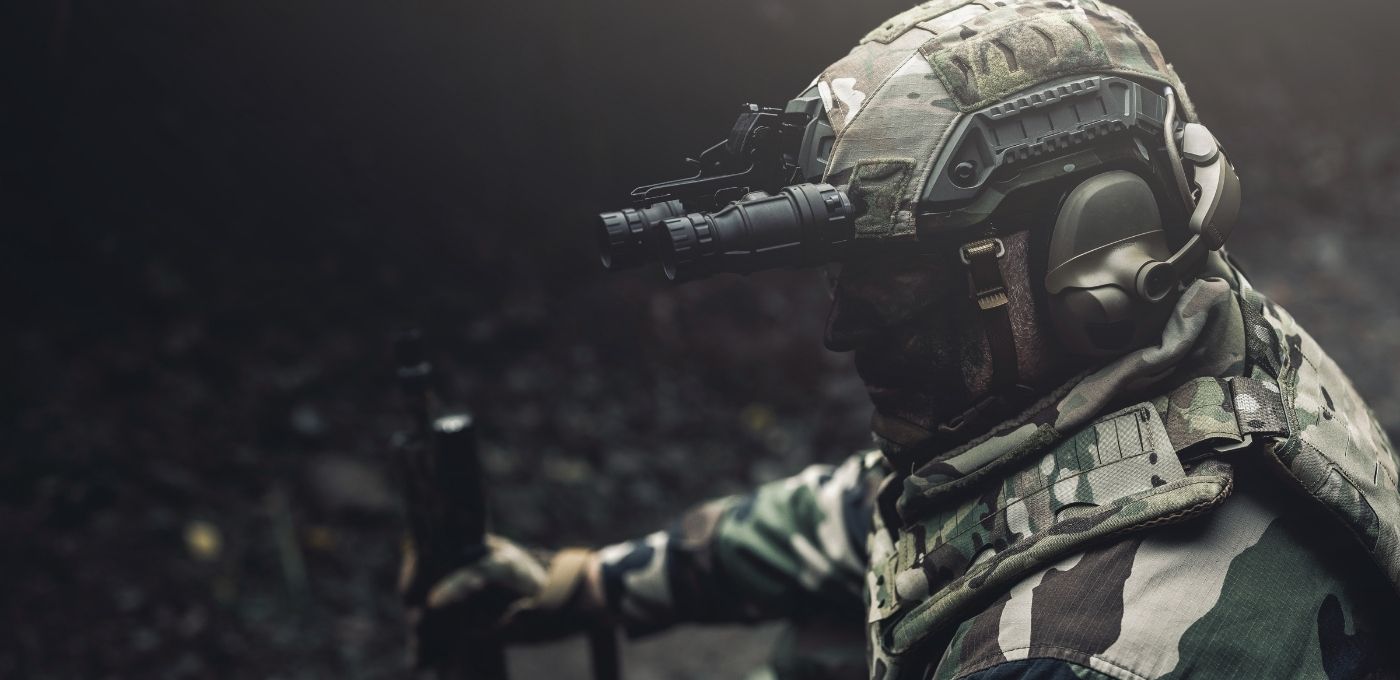
You are two days into a three-day trek. The weather has turned, the terrain is unforgiving, and your pack is loaded with 45 pounds of essential sustainment gear. You reach for a strap to adjust the load, and snap. The plastic buckle shears off. The stitching on the shoulder strap unravels. Suddenly, your "bargain" tactical backpack is no longer a tool; it is a burden.
In the world of tactical gear, the difference between "Real" and "Cheap" isn't just price—it's the difference between a successful mission and a critical failure.
Cheap gear looks the part in a staged Instagram photo. Real gear survives the scrape against concrete, the haul through the mud, and the years of abuse.
Here is the technical breakdown of why your budget gear is failing you, and what you should be looking for instead.
1. The Skin: 600D Polyester vs. 1000D Cordura Nylon
The most common lie in the industry is that all "tactical" fabric is created equal. It is not.
The "Budget" Choice: Most generic bags use 600D Polyester. It feels stiff when new but lacks abrasion resistance. Drag it across rock or asphalt, and it shreds like paper. It is water-absorbent, meaning your gear gets heavier when it rains.
The Vanguard Standard: Real gear uses 1000D Cordura Nylon. This is military-spec fabric designed for ballistic vests and heavy-haul rucks. It doesn't just resist tearing; it is chemically treated to bead water and resist rot. It is armor for your equipment.
2. The Skeleton: Single Stitch vs. Bartack Reinforcement
A bag is only as strong as its weakest seam.
The "Budget" Choice: Look closely at a cheap bag. You will see a single line of stitching connecting the shoulder straps to the main body. This is a ticking time bomb. Under dynamic load (running, jumping), that single thread takes all the stress. Eventually, it pops.
The Vanguard Standard: We utilize Bartack Stitching (or "Box-X" stitching) at every stress point. This is a dense, zigzag pattern that locks the fabric together. It distributes the load across a wider area, ensuring that the strap will fail only after the fabric itself is destroyed—which, with 1000D Nylon, is nearly impossible.
3. The Moving Parts: Zinc Alloy vs. YKK® Self-Healing Zippers
There is nothing more frustrating than a jammed zipper when you need access to your med-kit or ammo now.
The "Budget" Choice: Generic zinc alloy zippers. They are prone to corrosion from sweat and rain. If a tooth bends, the zipper track separates, leaving your bag wide open and useless.
The Vanguard Standard: We use exclusively YKK® Japanese Zippers. They are the gold standard for a reason. They are self-lubricating and "self-healing," meaning if the slider misaligns, a simple zip-back resets the teeth. They do not fail.
4. The Silent Killer: Fatigue
Your gear should be an extension of your body, not a parasite draining your energy.
The "Budget" Choice: Flat, generic foam padding. It provides initial softness but compresses to nothing within an hour of hiking. The result? Straps digging into your trapezius, cutting off circulation, and causing rapid fatigue.
The Vanguard Standard: The Kinetic System. We use high-density memory foam layered with aerated mesh. This creates a channel for airflow (cooling your back) and ensures the weight is distributed evenly across your skeletal structure, keeping you agile and focused on the objective.